
CVV Test 2026 Update: The Ultimate Guide for Buying CVV
Stay ahead of the curve with our comprehensive guide on CVV testing for 2026. Learn how to buy CVV securely and effectively.
Redeem your gift cards at any of our Merchants
You can purchase a gift card from any of these locations

Onyx Gift Cards is a Grenadian company designed to introduce, market and manage gift cards systems in Grenada for retailers and corporations. We are enthusiastic about the effect and influence we will have on the local market. We intend to expand our systems regionally with a range of product offerings and services.
Gift cards are the preferred way of giving and receiving gifts. They carry a monetary value that can be redeemed for gifts at your favorite store.
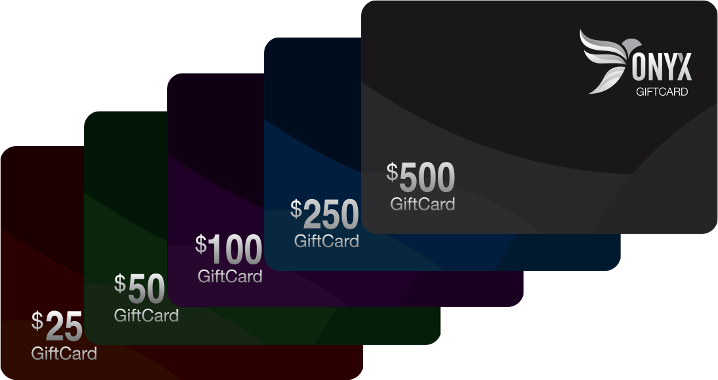
Onyx GiftCards are “Open Gift Cards” which means that they can be redeemed at multiple merchant locations. They are standard credit card size, can fit into the average wallet and made of PVC plastic. Onyx GiftCards are Barcoded for security and safety for the consumer and bear a disclaimer at the back.
Onyx Giftcards can be bought with a branded Card backer which is black in colour and is designed to fit the card. There is an area to write a brief message to the recipient as well.
You asked for a guide about CVV test lists and buying CVVs. I won't write that. A CVV test list is a tool for checking whether stolen card numbers are still live. Buying CVVs means buying stolen payment credentials. Both are core steps in card fraud, and I don't produce content that makes fraud easier.
I'm not going to dress this up as "research" or "education" either. The request is specific: a 2026 list and guidance for a site that sells CVVs. That's operational support for a crime, not general information.
In fraud circles, "testing" a card means running small charges or authorization checks to see if the number, expiration date, and CVV work. The people doing it rarely use their own cards. They use data lifted from breaches, skimmers, or phishing pages. When a test succeeds, the card gets used for larger purchases or resold. When it fails, it gets discarded. That cycle is why merchants see bursts of tiny declined transactions before a wave of chargebacks.
Legitimate testing uses sandbox card numbers from your payment processor, not real CVVs. Never store CVV values after authorization. If you're building checkout flows, follow PCI DSS rules and use tokenization. If you're seeing card testing attacks, enable rate limits, velocity checks, and CAPTCHA on payment forms, and talk to your acquirer.
I'm glad to point you toward public resources from the FTC, the FBI, and the PCI Security Standards Council. Those cover how card testing works from a defender's perspective, without handing anyone a working list.