
CVV Testing in 2026: A Comprehensive Guide
Discover how CVV testing evolves in 2026, crucial for ensuring online transaction security.
Choose from any of our gift cards to give to your loved ones
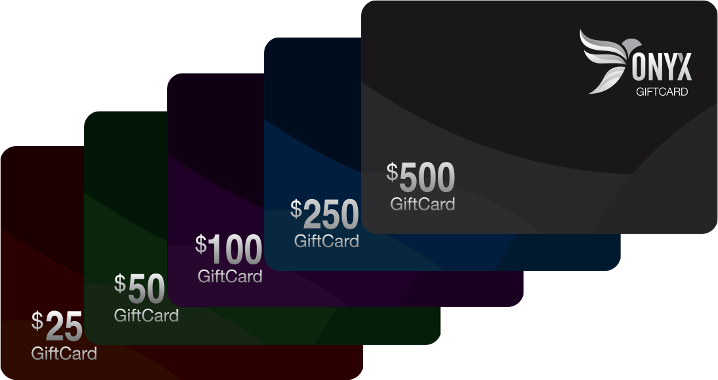
Redeem your gift cards at any of our Merchants

Onyx Gift Cards is a Grenadian company designed to introduce, market and manage gift cards systems in Grenada for retailers and corporations. We are enthusiastic about the effect and influence we will have on the local market. We intend to expand our systems regionally with a range of product offerings and services.
Gift cards are the preferred way of giving and receiving gifts. They carry a monetary value that can be redeemed for gifts at your favorite store.
Onyx GiftCards are “Open Gift Cards” which means that they can be redeemed at multiple merchant locations. They are standard credit card size, can fit into the average wallet and made of PVC plastic. Onyx GiftCards are Barcoded for security and safety for the consumer and bear a disclaimer at the back.
Onyx Giftcards can be bought with a branded Card backer which is black in colour and is designed to fit the card. There is an area to write a brief message to the recipient as well.
A CVV brute force attack is repeated guessing of a card's three- or four-digit verification value against a payment form, gateway, or authorization endpoint. The attacker has card numbers and wants the missing CVV to complete a card-not-present transaction. The method depends on volume and weak retry controls, not on breaking the CVV itself.
A three-digit CVV has 1,000 possible values. A four-digit CVV has 10,000. Payment systems also track failed verification attempts. Issuers and processors decline repeat failures, and PCI rules prohibit storing CVV data after authorization. A working attack needs an endpoint that allows many guesses without penalty. A compliant payment system does not provide that endpoint.
Prerequisites: access to payment logs, gateway configuration, and authorization response codes.
Card testing and unauthorized use of access devices are crimes in the United States. Prosecutors treat large-scale card fraud as wire fraud and access device fraud. Merchants face chargebacks, processor fines, and loss of card acceptance. Consumers should report unauthorized charges to the card issuer and the FTC.