
CVV Velocity Checks: A Comprehensive Guide
Learn about CVV velocity checks, their importance, and how they protect against fraudulent activities.
Choose from any of our gift cards to give to your loved ones
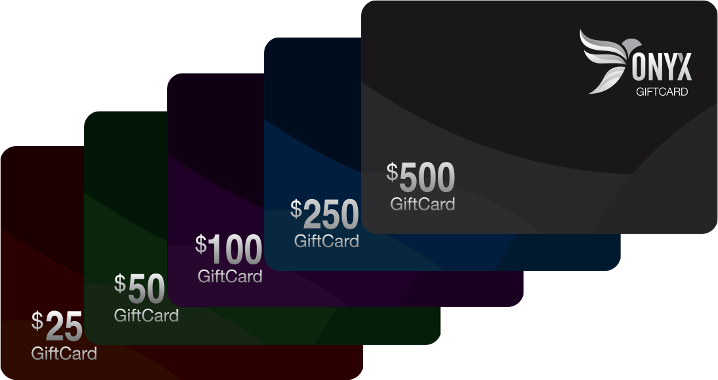
Redeem your gift cards at any of our Merchants

Onyx Gift Cards is a Grenadian company designed to introduce, market and manage gift cards systems in Grenada for retailers and corporations. We are enthusiastic about the effect and influence we will have on the local market. We intend to expand our systems regionally with a range of product offerings and services.
Gift cards are the preferred way of giving and receiving gifts. They carry a monetary value that can be redeemed for gifts at your favorite store.
Onyx GiftCards are “Open Gift Cards” which means that they can be redeemed at multiple merchant locations. They are standard credit card size, can fit into the average wallet and made of PVC plastic. Onyx GiftCards are Barcoded for security and safety for the consumer and bear a disclaimer at the back.
Onyx Giftcards can be bought with a branded Card backer which is black in colour and is designed to fit the card. There is an area to write a brief message to the recipient as well.
A card test number is a fake card number that a payment gateway accepts in sandbox mode and rejects against live money. Developers use it to run authorizations, declines, refunds, and 3-D Secure challenges without touching a real account. The numbers are public, they cost nothing, and they work only inside test environments.
You can drive a full payment flow with one: tokenize, authorize, capture, refund, void, and simulate a chargeback. Each processor publishes a list and ties specific numbers to specific results.
Cover each branch of your checkout with a named test number, then assert on the response code. That keeps a failing test readable when the payment logic breaks.
The first six to eight digits form the BIN, which sets the card brand and the issuing bank. The rest identify the account, and the final digit is a checksum.
Gateways run a Luhn check before they send anything to the card network. One wrong digit produces an "invalid card number" error instead of a decline, and that error comes from your own validation path, not the bank.
When a test fails at validation, check Luhn first. It saves an hour of reading gateway logs for a request that never arrived.
Most sandboxes accept any future expiry date and any three or four digit CVV. Some processors fix those values in their docs, so read the table for the number you picked.
Start with the success case, then add one number for each failure you want to cover. This list covers the common cases at most processors; confirm the exact number against the docs for your gateway before you ship.
Behavior maps change. A number that produced a decline last year may approve today, so re-run the suite after a processor announces a docs update.
Run the same set in CI on every deploy. Payment code breaks when someone edits a rounding rule or a currency map, and the test numbers catch it before customers do.
Keep test numbers in a fixture file, keyed by the outcome they trigger. That keeps the intent visible in code review.
A test PAN fails at a live endpoint by design. Real card numbers carry obligations: PCI DSS scope, encryption at rest, and a hard rule against storing the CVV after authorization.
Nothing about a sandbox number carries over to a live account. A test card is a development tool, not a way to charge anyone, and using card data that belongs to someone else is card fraud in every US state.
No. Live endpoints route to the card network, and a sandbox PAN has no account behind it. The charge returns a decline or an invalid number error.
Your integration is pointed at live keys. Switch the API key and the endpoint to test mode, then run the charge again.
Yes, inside your own sandbox. Using a card number that belongs to someone else is fraud, and no test number changes that.
Any three digits for Visa, Mastercard, and Discover, or four for Amex, unless your processor lists a fixed value. The CVV check still runs; it just checks against the test profile.
Five or six cover most suites: one success per brand you accept, plus declines for insufficient funds, an expired card, and a failed 3-D Secure challenge.