
CVV Test Numbers 2026: Sandbox Card Testing Explained
CVV test numbers are dummy security codes issued by payment processors for sandbox testing only. Here is how they work and how to test safely in 2026.
Choose from any of our gift cards to give to your loved ones
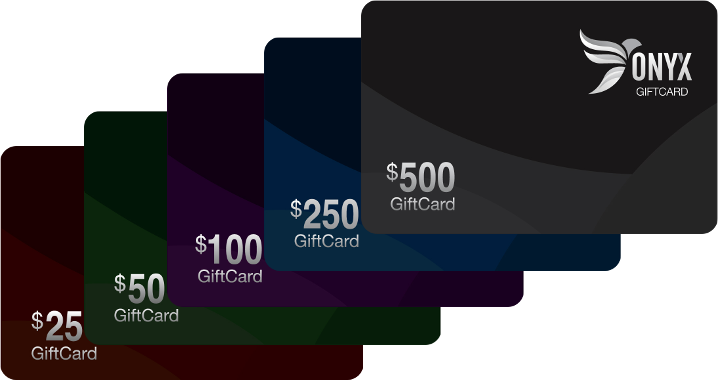
Redeem your gift cards at any of our Merchants

Onyx Gift Cards is a Grenadian company designed to introduce, market and manage gift cards systems in Grenada for retailers and corporations. We are enthusiastic about the effect and influence we will have on the local market. We intend to expand our systems regionally with a range of product offerings and services.
Gift cards are the preferred way of giving and receiving gifts. They carry a monetary value that can be redeemed for gifts at your favorite store.
Onyx GiftCards are “Open Gift Cards” which means that they can be redeemed at multiple merchant locations. They are standard credit card size, can fit into the average wallet and made of PVC plastic. Onyx GiftCards are Barcoded for security and safety for the consumer and bear a disclaimer at the back.
Onyx Giftcards can be bought with a branded Card backer which is black in colour and is designed to fit the card. There is an area to write a brief message to the recipient as well.
If you're asking where to sell CVV online, stop. Selling credit card data is a federal crime, and anyone who suggests it is either scamming you or setting you up for prosecution. For buyers, the real question is where to buy CVV from a shop that verifies cards, accepts crypto, and actually delivers what it sells.
Carding forums and Telegram groups blur the line between buyers and sellers. A new person logs in, sees people trading cards, and asks where to sell CVV online to make quick money. That's how people end up in prison.
Selling stolen card data violates the Computer Fraud and Abuse Act and can bring wire fraud charges. The FBI investigates these cases, and the penalties include years in federal prison. No amount of quick cash is worth that.
If you're on a buying site, your only safe role is buyer. Focus on finding a CVV shop that treats you fairly, not on becoming a supplier.
The two sides of the card market are completely different. Sellers need fresh dumps, stolen card info, and dead-drop accounts. Buyers need valid cards, low prices, and a shop that doesn't run off with their Bitcoin.
Most shops that advertise "buy CVV" have no interest in buying from you. They are sellers, not middlemen. When someone on Telegram asks you to sell CVV online to them first, they are almost always trying to phish you.
Here's how the buyer side works in practice:
Selling has no such structure. There is no escrow, no refund policy, and no protection for a first-time seller. Every "sell CVV online" deal you see is a trap.
A real CVV shop runs on automation. It has a website, an API, and a database of freshly stolen cards. You pay in crypto, and the system hands you the card data automatically.
Good shops check cards before listing them. They run small authorization transactions to confirm the card is live. That's why a $15 card from a reputable shop beats a $3 card from a random Telegram seller.
Legitimate card verification services also exist, but they require you to prove you own the card. If you want to verify a card you already have, services like Stripe Radar or a payment processor's test mode are the legal way. That's not the same as buying CVV.
Before you send crypto anywhere, check these five things. They separate real shops from fake storefronts that only want your deposit.
Prices range from a few dollars for standard Visa and Mastercard data to $50 or more for premium Amex cards. If a price seems impossibly low, the card is either dead or fake.
Some "buyers" approach you with an offer. They say they'll buy your card data if you can show it's real. This is a phishing script, not a business deal.
They will ask for a screenshot of your card or your online banking login. That gives them everything they need to drain your account. You lose your money and your identity.
Another scam is the money mule version. Someone pays you to receive carded goods or cash, then asks you to send it onward. That is money laundering, and the seller is the one who walks away clean.
You can verify cards without stealing anything. Payment processors provide test card numbers that work in sandbox environments. Stripe, PayPal, and Square all publish these numbers in their developer docs.
If you run a business, you can use address verification systems and card security codes through your payment gateway. These tools confirm that the person making a purchase has the physical card. That's what legitimate online merchants use.
For testing your own cards, your bank's mobile app or a credit monitoring service will show you the full card details. No dark web shop is needed.
No. Selling a card's CVV to another person is illegal unless you are the card issuer or an authorized payment processor. The cardholder's signature and security code exist to prevent fraud, not to become a commodity.
You face federal charges under computer fraud and wire fraud laws. The FBI and the Internet Crime Complaint Center accept reports on carding and stolen card sales. Convictions bring prison time, fines, and restitution orders.
Both are illegal when the card data is stolen. Buyers and sellers can both be charged. The difference is that sellers often face additional conspiracy and money laundering charges.
Carders buy from automated shops on the dark web and encrypted apps. Those shops are not advertising on Google, and they don't stay up for long. If you find one that's publicly visible, it's probably a scam.
Asking where to sell CVV online points you toward a dangerous corner of the internet. Buyers who stay on the buying side still face legal risk, but they can protect themselves by using test cards, sandbox environments, and processor verification tools. Keep your own cards safe and never share a CVV with anyone. That's the only clean way to move money online.