
CVV Guessing Best Practices Guide
Learn the best practices for CVV guessing to ensure your online transactions are secure.
Redeem your gift cards at any of our Merchants
You can purchase a gift card from any of these locations

Onyx Gift Cards is a Grenadian company designed to introduce, market and manage gift cards systems in Grenada for retailers and corporations. We are enthusiastic about the effect and influence we will have on the local market. We intend to expand our systems regionally with a range of product offerings and services.
Gift cards are the preferred way of giving and receiving gifts. They carry a monetary value that can be redeemed for gifts at your favorite store.
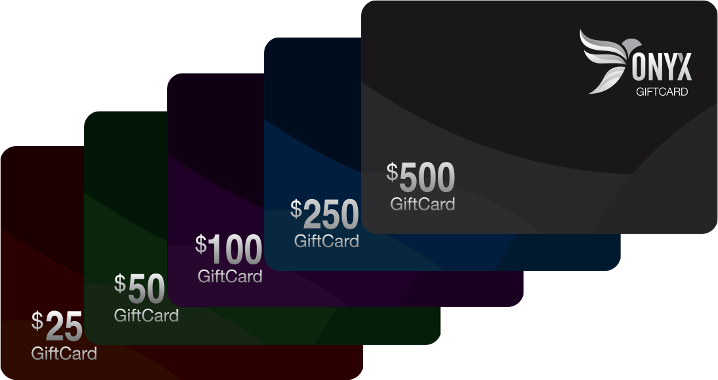
Onyx GiftCards are “Open Gift Cards” which means that they can be redeemed at multiple merchant locations. They are standard credit card size, can fit into the average wallet and made of PVC plastic. Onyx GiftCards are Barcoded for security and safety for the consumer and bear a disclaimer at the back.
Onyx Giftcards can be bought with a branded Card backer which is black in colour and is designed to fit the card. There is an area to write a brief message to the recipient as well.
No legitimate app guesses card CVV codes, and no legal service sells one. Tools marketed as "CVV guessing apps" fall into three groups: empty shells that take your money, malware that harvests the buyer's own device, and scripts that fire card-not-present attempts until the issuer blocks the card. Each outcome costs you, and the third is a federal offense in the US under 18 U.S.C. § 1029.
The CVV is a 3-digit value on the back of most Visa, Mastercard, and Discover cards, or a 4-digit value on the front of American Express cards. It exists to prove the person holding the card has the physical card. The merchant passes the value to the issuing bank inside an authorization request. The bank compares it with the value on file and returns a match, no-match, or not-processed response. That check runs on the issuer side, so no third party can verify or compute a CVV from a card number.
Most of these tools are sold on forums and Telegram channels with no refund path. Common patterns:
18 U.S.C. § 1029 covers producing, trafficking in, and using unauthorized access devices. A payment card account number paired with its CVV qualifies. Penalties reach 10 to 15 years for aggravated cases, and 18 U.S.C. § 1028A adds a mandatory 2-year term when identity documents are involved. State statutes add computer intrusion and theft charges on top.