
CVV Test Numbers 2026: Sandbox Card Testing Explained
CVV test numbers are dummy security codes issued by payment processors for sandbox testing only. Here is how they work and how to test safely in 2026.
Choose from any of our gift cards to give to your loved ones
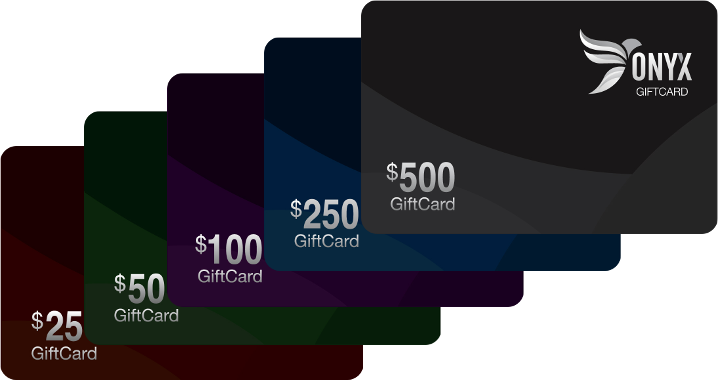
Redeem your gift cards at any of our Merchants

Onyx Gift Cards is a Grenadian company designed to introduce, market and manage gift cards systems in Grenada for retailers and corporations. We are enthusiastic about the effect and influence we will have on the local market. We intend to expand our systems regionally with a range of product offerings and services.
Gift cards are the preferred way of giving and receiving gifts. They carry a monetary value that can be redeemed for gifts at your favorite store.
Onyx GiftCards are “Open Gift Cards” which means that they can be redeemed at multiple merchant locations. They are standard credit card size, can fit into the average wallet and made of PVC plastic. Onyx GiftCards are Barcoded for security and safety for the consumer and bear a disclaimer at the back.
Onyx Giftcards can be bought with a branded Card backer which is black in colour and is designed to fit the card. There is an area to write a brief message to the recipient as well.
If you're looking for a cheap CVV shop, the safest move is to stick with established sellers who have a proven track record of delivering working cards within 24 hours. Avoid any shop that asks for payment upfront without a public verification system, and never buy from a seller who refuses to show sample cards or provide a real-time balance check. The cheapest card is worthless if the shop disappears with your money.
A cheap CVV shop typically sells cards with lower balances, shorter validity windows, or from less demanded banks. They price their inventory to move quickly, often at $5 to $15 per card. Regular shops might charge $20 to $50 for premium cards with high balances and longer lifespan.
Fresh cards (dumped within the last 24 hours) have a higher chance of being active. Cheap shops often sell older cards that may already be reported or canceled. Always ask for the card's age before buying.
Some cheap CVV shops offer a balance check via a free tool or a screenshot. Others provide a replacement policy if the card is dead on arrival. Stick with shops that offer at least one of these.
Legitimate shops accept Bitcoin, Litecoin, or other cryptocurrencies. Avoid shops that demand Western Union or gift cards, as those are common scam indicators. A cheap CVV shop with multiple payment options is more trustworthy.
Shops that have been online for more than six months with active user reviews are safer. Check forums like carding forums or Telegram groups for real feedback. Avoid brand-new shops with no history.
Prices vary by card type, bank, and country. Here's a rough breakdown:
Anything below $5 is usually a scam or a test card that likely won't work. A cheap CVV shop that sells cards for $2 is almost certainly a trap.
This is the most common scam. The shop looks professional with a fully functional website, but after payment you get nothing. Check for a refund policy or escrow service before sending money.
Some shops send cards that pass the initial check but have a zero balance. They rely on the fact that buyers don't test the card immediately. Ask for a balance screenshot or use a test transaction right away.
Even if the card works, it may be flagged by the bank within hours. A cheap CVV shop might sell cards that are already compromised. Use the card within 15 minutes of receiving it to minimize risk.
Some shops have a strict no-refund policy and will ban you if you complain. Read the terms of service before buying. If the shop has a history of banning users, stay away.
Not necessarily. Many cheap CVV shops inflate their user count with bots or fake accounts. Look for genuine reviews on independent forums, not just the shop's own testimonial page.
For a first test, buy a single card in the $10 to $15 range. If it works, you can consider larger purchases. Never buy a bundle of 10 cheap cards from an untested shop.
Some do, but most offer a replacement within 24 hours rather than a refund. Check the shop's policy before buying. If they don't offer any replacement, don't buy.
Ask the seller for a free sample card or a small test card for a reduced price. Many legitimate shops offer this to prove their inventory is real. If they refuse, move on.
According to the FBI, most CVV shops are scams that prey on buyers who skip due diligence. Krebs on Security reports that even established shops can be shut down by authorities, so never invest more than you can afford to lose. Stick to the checklist above, and you'll minimize the risk of getting burned by a cheap CVV shop.