
CVV Length Test Method: How to Verify CVV Validity
Discover the CVV length test method for verifying the validity of credit card CVVs and ensure secure transactions.
Choose from any of our gift cards to give to your loved ones
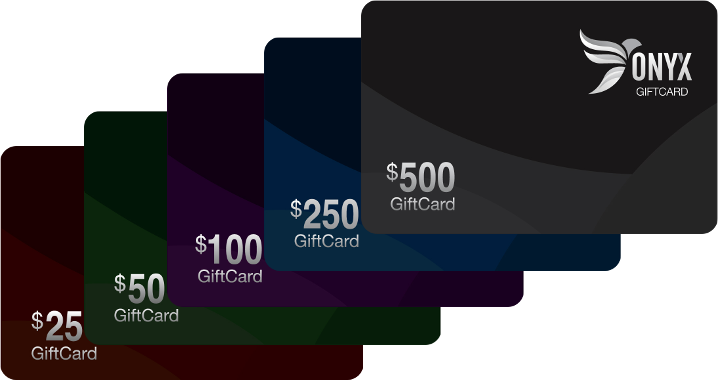
Redeem your gift cards at any of our Merchants

Onyx Gift Cards is a Grenadian company designed to introduce, market and manage gift cards systems in Grenada for retailers and corporations. We are enthusiastic about the effect and influence we will have on the local market. We intend to expand our systems regionally with a range of product offerings and services.
Gift cards are the preferred way of giving and receiving gifts. They carry a monetary value that can be redeemed for gifts at your favorite store.
Onyx GiftCards are “Open Gift Cards” which means that they can be redeemed at multiple merchant locations. They are standard credit card size, can fit into the average wallet and made of PVC plastic. Onyx GiftCards are Barcoded for security and safety for the consumer and bear a disclaimer at the back.
Onyx Giftcards can be bought with a branded Card backer which is black in colour and is designed to fit the card. There is an area to write a brief message to the recipient as well.
To buy CVV online without getting scammed, you need to pick a card shop with a long history, valid BIN ranges, and a clear replacement policy. Compare refund terms and card prices across at least three shops before you send any cryptocurrency. Start with a small test order to verify the card quality before you commit to a batch.
A reliable CVV shop looks like a normal business, not a shady forum. Check the shop's uptime and how long it has been running. Scammers come and go, so a shop with two months of active service is a huge risk.
A real shop will also show the card's country, bank, and card type in the listing. You should never buy a card that lists only the price and the BIN.
Card prices change every week, but you can expect to pay between $1 and $20 per card. US cards are usually the cheapest. Cards from the EU and Asia cost more because they are rarer.
Never buy a card for less than $1 from a random seller. That price usually means the card is dead or the BIN is invalid.
Test your first purchase with one card. If it works, you can place a bigger order. Always keep proof of your payment, like a transaction hash, in case you need a refund.
Selling or buying CVV data without the cardholder's consent is a crime in the US and most other countries. That includes the CVV you find from a card shop. You can only use that data legally if you have written authorization from the cardholder or you are doing approved security testing.
Security researchers sometimes buy CVV data from breach brokers to test fraud detection systems. But that requires a written contract, a clear purpose, and often a lawyer. If you do not have these, you are taking a serious legal risk.
CVV stands for Card Verification Value. It is the three-digit code on the back of a credit card, and it is used to prove that a buyer holds the physical card.
A VPN hides your IP address, and cryptocurrency hides your payment details. That keeps the card shop from knowing who you are. But it does not protect you from law enforcement if they investigate the shop's logs.
A good shop will replace the card or refund its value if you report it within 24 hours. The refund usually comes in store credit, not cash. Always read the shop's refund policy before you pay.
For almost anyone, the answer is no. The money you could recover from a fraudulent card is small compared to the legal risk. If you are testing systems, buy from a licensed data provider instead of a card shop.