
How to Sell CVV and Withdraw to Bank Instantly: A Comprehensive Guide
Learn the step-by-step process of selling CVV and instantly withdrawing funds to your bank account with this guide.
Redeem your gift cards at any of our Merchants
You can purchase a gift card from any of these locations

Onyx Gift Cards is a Grenadian company designed to introduce, market and manage gift cards systems in Grenada for retailers and corporations. We are enthusiastic about the effect and influence we will have on the local market. We intend to expand our systems regionally with a range of product offerings and services.
Gift cards are the preferred way of giving and receiving gifts. They carry a monetary value that can be redeemed for gifts at your favorite store.
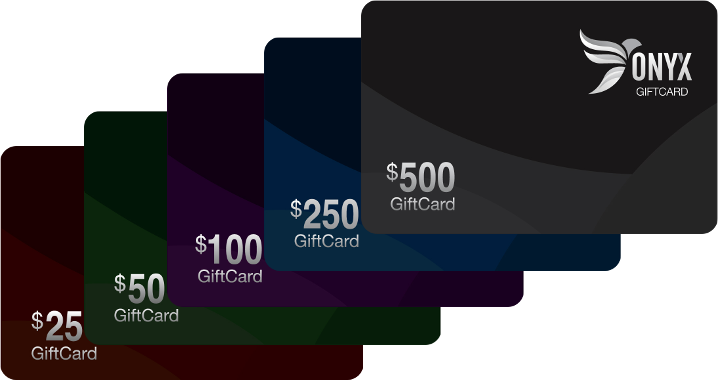
Onyx GiftCards are “Open Gift Cards” which means that they can be redeemed at multiple merchant locations. They are standard credit card size, can fit into the average wallet and made of PVC plastic. Onyx GiftCards are Barcoded for security and safety for the consumer and bear a disclaimer at the back.
Onyx Giftcards can be bought with a branded Card backer which is black in colour and is designed to fit the card. There is an area to write a brief message to the recipient as well.
Selling a CVV for instant cashout is a federal crime in the United States, and the people advertising fast payouts are running a scam against the seller. There is no legitimate market for card verification values, no protected way to move the money, and no cashout that hides the transaction. Anyone who takes the offer risks felony charges plus the loss of whatever they pay up front.
A CVV, or card verification value, is the 3-digit code on the back of a Visa, Mastercard, or Discover card. American Express prints a 4-digit code on the front.
The code exists to prove that the person typing a card number holds the card. That is why card-not-present fraud depends on it: a stolen card number without the code fails on most checkout pages.
No. Under 18 U.S.C. § 1029, trafficking in an unauthorized access device with intent to defraud is a federal offense. A payment card number and its CVV count as an access device, and selling one falls inside the statute.
A conviction carries a fine and prison time measured in years, with higher maximums for repeat offenses. Charges often stack: wire fraud under 18 U.S.C. § 1343 and identity theft under 18 U.S.C. § 1028 are common additions.
Federal sentencing guidelines scale the punishment to the dollar amount of intended loss and the number of cards involved. A small batch of cards does not keep a case out of federal court or make it minor.
The phrase "instant cashout" is bait. Established fraud operations do not pay strangers who send a message.
Card issuers and networks run fraud detection on both ends of the deal. A card used to buy a CVV gets flagged, and so does any bank account in the chain.
Cashout apps freeze accounts and file reports with law enforcement. Crypto is not anonymous either; exchanges answer subpoenas, and chain analysis links wallets to real identities.
Consumers who find unauthorized charges are protected. The Fair Credit Billing Act caps credit card liability at $50, and the Electronic Fund Transfer Act caps debit card loss at $50 when reported within two business days. The bank absorbs or reverses the loss. The person who sold the data is left with a criminal case.
Do not reply and do not send anything. Report the message and block the account.
No. US law reaches conduct that touches US banks or cardholders, and most other countries criminalize the same activity. Mutual legal assistance treaties and extradition cover card fraud cases.
A buyer may pay a small amount first to build trust, then demand more. The sequence ends the same way each time: a reversed payment, a blackmail threat, or an account takeover. The seller takes the loss.
Yes. Trafficking in even a single unauthorized access device with intent to defraud can be charged as a federal felony.
Federal penalties for access device fraud reach 10 years and a fine per count, with higher maximums for repeat offenses. Aggravated identity theft adds a mandatory 2-year consecutive term on top.
The FBI, US Secret Service, and Postal Inspection Service run card fraud investigations, often with state attorneys general and bank fraud units. Complaints filed with IC3 feed those cases.
There is no version of "sell CVV instant cashout" that ends well for the seller. The offer is either a scam aimed at your deposit and your identity, or a federal crime with prison time attached. If someone approaches you about buying card data, treat it as a threat, secure your accounts, and report it.