
Instant Payment to a Sell CVV Website: A Fast Way to Lose Money
A sell cvv website instant payment offer is a scam. Sellers take crypto and disappear. Learn how these frauds work and what to do.
Choose from any of our gift cards to give to your loved ones
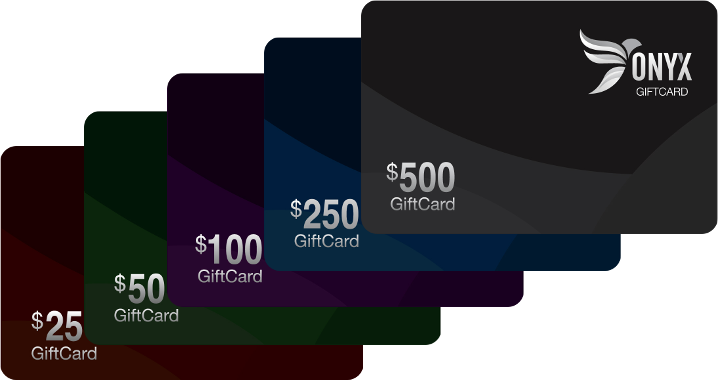
Redeem your gift cards at any of our Merchants

Onyx Gift Cards is a Grenadian company designed to introduce, market and manage gift cards systems in Grenada for retailers and corporations. We are enthusiastic about the effect and influence we will have on the local market. We intend to expand our systems regionally with a range of product offerings and services.
Gift cards are the preferred way of giving and receiving gifts. They carry a monetary value that can be redeemed for gifts at your favorite store.
Onyx GiftCards are “Open Gift Cards” which means that they can be redeemed at multiple merchant locations. They are standard credit card size, can fit into the average wallet and made of PVC plastic. Onyx GiftCards are Barcoded for security and safety for the consumer and bear a disclaimer at the back.
Onyx Giftcards can be bought with a branded Card backer which is black in colour and is designed to fit the card. There is an area to write a brief message to the recipient as well.
No one can legally or safely 'sell cvv' numbers. Any seller claiming to offer stolen card data is a criminal. If you searched for 'sell cvv' to buy CVV, you are about to lose money and risk criminal charges.
The phrase 'sell cvv' makes card fraud sound like a normal online market. It is not. The sellers are thieves reselling stolen payment data, and buyers are the ones who pay first with no protection.
CVV is the three-digit code on the back of a credit or debit card. Online stores ask for it to prove the person typing the card number also holds the physical card. Stolen card files usually include the card number, expiration date, and the CVV.
People who buy these files want to charge items or gift cards to someone else's account. Some resell the numbers to other carding forum members. Both actions are forms of payment fraud.
Carding ads share the same pattern across Telegram, dark web forums, and fake shop websites. The details vary, but the stages stay consistent.
There is no third party to complain to. The payment method chosen by the seller cannot be reversed. This is by design.
Stolen card data spoils fast. Banks see an odd charge, freeze the card, and issue a new one. A number can be valid for only a few hours or a few days.
Sellers hold thousands of records from breaches and phishing pages. If they tried to spend all the numbers on their own, banks would flag them quickly. So they sell the same data many times to many buyers.
This is why 'sell cvv' offers appear so cheap. The seller takes $15 from one buyer, then $15 from another, for the same useless file. The real inventory is buyer trust, not cards.
No. CVV belongs to the cardholder and the issuing bank. Selling it without permission is unauthorized access device fraud.
Federal law classifies trafficking in stolen credit card numbers as a felony. State laws against identity theft also cover the resale of card data. A 'sell cvv' shop operator who is caught can face years in prison and forfeiture of electronics and funds.
Yes. Every crypto transaction moves through a public blockchain. When the seller cashes out through an exchange, that exchange sees the wallet and, in many cases, the buyer's identity.
Law enforcement also gets data from seized carding forums and Telegram groups. Chat logs, account details, and IP addresses are stored on the same servers that the seller uses. When the seller gets arrested, buyers do, too.
A VPN hides your IP only until the provider receives a legal order. Many VPN providers keep connection logs. The buyer's email and wallet address remain in the seller's records.
The seller does not just want your payment. They also want your email, Telegram ID, Bitcoin address, and sometimes a phone number. This data goes into a buyer profile.
Buyer profiles have value on their own. They are sold to other criminals or used for blackmail. If you later refuse to pay, the seller can threaten to report you to the police.
Sellers can also use your details for phishing attacks. A person who searched for 'sell cvv' is an easy target for follow-up fraud.
No. Payment gateways score each checkout based on cardholder name, billing address, IP address, and device. The transaction looks risky, and the store rejects it.
If a stolen card does pass, the cardholder will see the charge and file a dispute. The merchant reports the dispute to the card network, and the network records the buyer's details.
A 'sell cvv' buyer is never anonymous to the merchant, the bank, or the police.
Stop all contact. Do not send more money for a replacement list or an unlock deposit. Both are follow-up scams.
Save every message, payment record, link, and username. Keep the original ad and the seller's profile. File a report at the FBI's Internet Crime Complaint Center and at the Federal Trade Commission.
If you are under 18 and fell for a carding lure, tell a parent or guardian. The legal process gets worse when you hide evidence or keep trying to buy cards.
Quick answers to the searches buyers type before sending crypto.
Bitcoin and Monero payments cannot be reversed, unlike PayPal charges. Sellers know that a single chargeback will end their account.
No. The Telegram account, email, and payment method you use all point back to you. Even privacy wallets expose you when you sell tokens back to cash.
No. Fake escrow accounts are part of the scam. The moderator and the seller are often the same person.
Your payment processor provides official test card numbers. Using someone's stolen card to test is legally no different from using it to buy goods. Avoid it.
Every ad that offers to sell cvv is a scam, a crime, or both. Legitimate businesses never buy or sell stolen card data, because it has no valid use.
The sellers profit by reselling stolen numbers before banks kill them. Buyers lose money, leave evidence, and collect felony risk. The smartest move is to close the chat and never search 'sell cvv' again.