
CVV Dumps: What They Are and the Federal Penalties for Buying Them
A CVV dump is stolen payment card data. Buying, selling, or holding one with intent to defraud is a federal crime carrying prison terms up to 15 years.
Redeem your gift cards at any of our Merchants
You can purchase a gift card from any of these locations

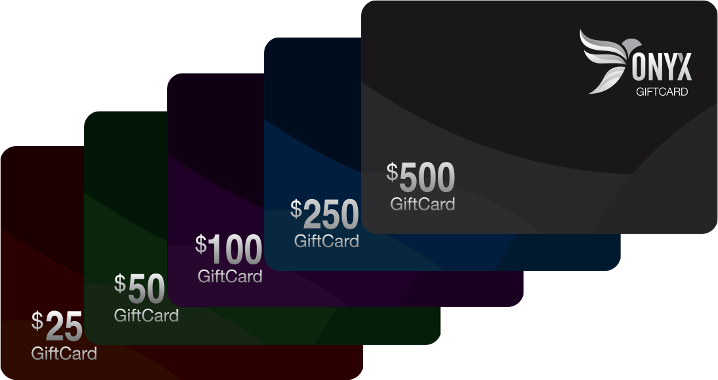
Onyx Gift Cards is a Grenadian company designed to introduce, market and manage gift cards systems in Grenada for retailers and corporations. We are enthusiastic about the effect and influence we will have on the local market. We intend to expand our systems regionally with a range of product offerings and services.
Gift cards are the preferred way of giving and receiving gifts. They carry a monetary value that can be redeemed for gifts at your favorite store.
Onyx GiftCards are “Open Gift Cards” which means that they can be redeemed at multiple merchant locations. They are standard credit card size, can fit into the average wallet and made of PVC plastic. Onyx GiftCards are Barcoded for security and safety for the consumer and bear a disclaimer at the back.
Onyx Giftcards can be bought with a branded Card backer which is black in colour and is designed to fit the card. There is an area to write a brief message to the recipient as well.
A CVV dump is a record of stolen card data: the account number, expiration date, cardholder name, and the card verification value printed on the back of a payment card. Anyone offering to sell dumps online is selling stolen financial information. No licensed marketplace, payment processor, or registered business deals in this product, and no seller taking cryptocurrency over a chat app is operating lawfully. Pages, forum posts, and direct messages promising "legit" dumps with guarantees or replacements are either scams that keep your money, criminal investigations run by law enforcement, or both. The search term itself describes something that does not exist.
People selling under this label typically trade in one of a few things. Some pass off randomly generated numbers that fail any authorization check. Some sell data skimmed from point of sale terminals or lifted in database breaches. Some resell the same record repeatedly. Some take payment and disappear. In every case the underlying asset is stolen, which means the transaction has no lawful form regardless of how the seller presents it.
Fraud vendors borrow the language of commerce. They post testimonials, use escrow language, advertise uptime, and promise refunds. That vocabulary is copied from real businesses precisely because it lowers suspicion. A high rating on a criminal forum measures how well a seller has avoided being cheated by other criminals, not whether the goods are legal or real.
Businesses that need to accept cards work through merchant acquirers, payment service providers, and PCI-compliant gateways. Those channels perform underwriting, verify the merchant's identity, and settle funds through regulated banking. Data for testing payment systems comes from processor sandboxes and public test card numbers, not from anonymous sellers. Anyone who needs card data for development, analytics, or support has a compliant path that does not involve a criminal marketplace.
No. Vetting changes nothing about the legality of the purchase, and the strongest-looking reputation systems in this space are run by the same people selling the data.
They are marketing labels for stolen data bundles of different sizes. Both are illegal to buy, sell, or use.
That is a sales claim, not a legal category. Freshness describes how recently a card was compromised, which does not make the sale lawful.
Report it to the FBI's Internet Crime Complaint Center and to the payment network whose cards are being offered.