
Top Bitcoin-Paying CVV Shop Comparison for 2024
Discover the top CVV shops that pay in Bitcoin with our detailed comparison. Get insights and make an informed choice today.
Choose from any of our gift cards to give to your loved ones
How to Sell CVV Dumps for Bitcoin: A Safe and Secure Guide
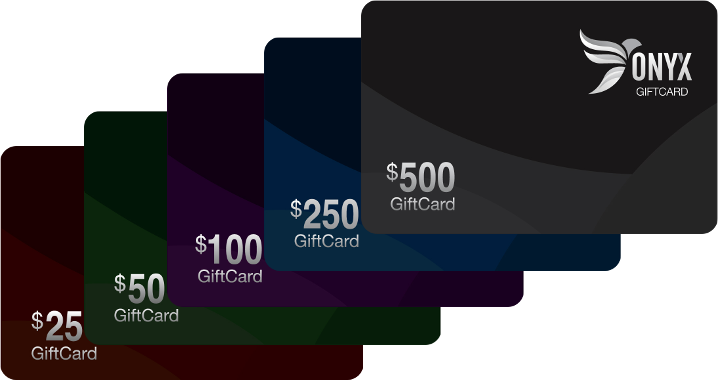
Redeem your gift cards at any of our Merchants
You can purchase a gift card from any of these locations

Onyx Gift Cards is a Grenadian company designed to introduce, market and manage gift cards systems in Grenada for retailers and corporations. We are enthusiastic about the effect and influence we will have on the local market. We intend to expand our systems regionally with a range of product offerings and services.
Gift cards are the preferred way of giving and receiving gifts. They carry a monetary value that can be redeemed for gifts at your favorite store.
Onyx GiftCards are “Open Gift Cards” which means that they can be redeemed at multiple merchant locations. They are standard credit card size, can fit into the average wallet and made of PVC plastic. Onyx GiftCards are Barcoded for security and safety for the consumer and bear a disclaimer at the back.
Onyx Giftcards can be bought with a branded Card backer which is black in colour and is designed to fit the card. There is an area to write a brief message to the recipient as well.
Buying CVV through a private crypto deal means you negotiate with one seller and pay with Bitcoin outside a carding shop. Never send the full amount before you see a small live test, and only use money you can afford to lose. Treat any “sell CVV btc private deal” offer as a potential scam until the seller proves real card data in your hands.
A private deal skips the automated shop dashboard. The seller posts a menu in Telegram or a forum thread with available BINs, countries, and balance ranges.
You ask for a specific card and the seller quotes a Bitcoin price. Payment goes to a fresh wallet address, and the seller releases the card data after one blockchain confirmation.
Some sellers ask for an upfront fee to unlock a full base. That fee is often pure profit for the seller.
A carding shop acts as a middleman and takes a cut of every sale. Private sellers set their own prices and deliver data faster when they are active.
Private deals also help buyers avoid shops that disappear between payments. The downside is full trust, and in this market trust has little value.
The main reason a buyer searches for a private BTC deal is seller reachability. A Telegram seller answers direct questions, while a shop hides behind a ticket system.
Most private sellers collect buyers on Telegram channels, Discord servers, and carding forums that require an invite. Public social media pages get shut down fast, so consistent sellers stay behind private groups.
In the United States, many buyers search for sellers who accept Bitcoin because crypto transfers are irreversible. A seller who pushes an escrow service you never heard of is someone you should walk away from.
Check the seller’s age, post history, and reply count. One-day-old accounts do not have a reputation worth trusting.
Ask for the exact BIN, country, card type, and balance level of the cards in your order. A legit seller can provide these details without revealing the full card numbers in advance.
Ask for proof from a recent sale, such as a redacted screenshot with the buyer’s username removed. Ask which payment method triggers the card release, because BTC timers vary.
If the seller avoids these questions, the private deal dies right there.
Buy one cheap card first, not a full dump base. You are looking for a card that returns a valid billing address or passes a small online check.
Start with a card priced under $20 if you can find one. Ask the seller to give you the data before you send Bitcoin, then pay after you see the card works.
Take the risk in steps. A seller who refuses a single-card test on a “not enough time” excuse is planning to take your full payment and vanish.
Basic US CVVs sell for $5 to $15 per card in bulk. Fresh cards with high credit limits or rare BINs can cost $40 to $80 each.
Prices change with card issuer and drop rate. If a seller quotes $150 for a card that looks ordinary, check the BIN against public card tables.
A true private deal is not cheaper than a shop. It is a way to buy data when you do not trust your regular carding site to stay online.
The normal flow is: you send BTC, the seller watches the transaction on the blockchain, then the seller sends the card data. That order gives the seller all the power.
Negotiate a split if the deal size is large. Send half before the card data, then the rest after you confirm the card loads a balance.
Use a new Bitcoin wallet for every private purchase. Do not reuse an address tied to an exchange account with your legal name.
A private seller demanding payment right now before answering anything is the top red flag. Second, watch for sellers who advertise a no-refund policy on a single card, because single cards fail often.
When a deal sounds perfect, it will end with a blockchain confirmation that you cannot reverse.
Buy Bitcoin with cash at a local ATM or through a peer-to-peer exchange that does not require a bank transfer. Then move the Bitcoin through a single wallet before you pay the seller.
Do not reuse a wallet address that appears on an exchange withdrawal history. Blockchain explorers make it easy to link addresses to a purchase.
Keep a personal spreadsheet with the date, seller name, and card BIN. The note will show you which seller types fail, without exposing card data again.
No. Selling card data without permission is a federal crime, and buyers face charges for trafficking in stolen payment data too.
Bitcoin payments are final after confirmation. There is no chargeback system, so a private seller keeps your money once the network accepts the transaction.
Start with a low-priced US Visa BIN in a state with no extra cardholder verification. The card should be fresh, confirmed by the seller, and tested on a low-cost online service.
Sellers who survive in forums offer replacements. A seller who refuses a replacement is taking advantage of the private format, because refunds in Bitcoin are almost never honored.