
CVV Attack Defense: What to Buy and What to Skip
Buyer's guide to CVV attack defense: enforcement points, velocity thresholds, vendor demo questions, and the pitfalls that turn a security buy into shelfware.
Redeem your gift cards at any of our Merchants
You can purchase a gift card from any of these locations

Onyx Gift Cards is a Grenadian company designed to introduce, market and manage gift cards systems in Grenada for retailers and corporations. We are enthusiastic about the effect and influence we will have on the local market. We intend to expand our systems regionally with a range of product offerings and services.
Gift cards are the preferred way of giving and receiving gifts. They carry a monetary value that can be redeemed for gifts at your favorite store.
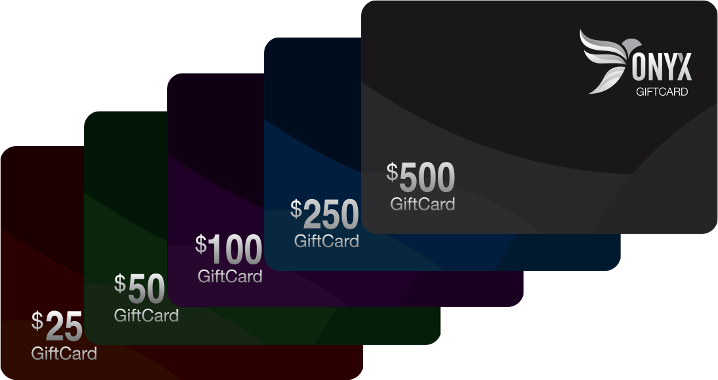
Onyx GiftCards are “Open Gift Cards” which means that they can be redeemed at multiple merchant locations. They are standard credit card size, can fit into the average wallet and made of PVC plastic. Onyx GiftCards are Barcoded for security and safety for the consumer and bear a disclaimer at the back.
Onyx Giftcards can be bought with a branded Card backer which is black in colour and is designed to fit the card. There is an area to write a brief message to the recipient as well.
Answer first: the strongest CVV attack protection is layered velocity limiting combined with 3-D Secure step-up on risky transactions. The criteria that matter are detection speed, friction on real buyers, coverage across every payment channel you accept, and how well a control holds when attackers rotate IP addresses, cards, and device fingerprints. No single setting stops card testing. The goal is to raise the cost of each guess until the attack stops paying.
Card testing, also called card enumeration or CVV brute-forcing, uses a merchant checkout or payment API as a validation oracle. The attacker holds a list of compromised card numbers and needs the verification value, the expiration date, or the billing ZIP to make those cards usable somewhere else. Small transactions, often under a dollar, are submitted in bulk. A decline tells the attacker the guess was wrong. An approval, or even a different error message, confirms the data is good.
What makes these attacks expensive is not the stolen merchandise. It is the authorization fees on thousands of declined attempts, the chargebacks that arrive weeks later, network fines, and the risk of losing card processing privileges altogether. Merchants usually learn they were targeted when the first chargeback batch lands, long after the traffic has moved on.
This pairing is the default recommendation because it attacks the economics of card testing rather than individual transactions. Velocity rules count attempts across cards, devices, and IP ranges inside a rolling window. 3-D Secure adds an authentication step that card data alone cannot satisfy.
Use it if: you run a public checkout or an exposed payment API and process enough volume that a burst of one-dollar authorizations would go unnoticed by a human reviewer.
Require the verification value and billing address data on every card-not-present order, decline on mismatch, and return one generic failure message for every reason. Distinct error text is the leak that turns a payment page into a testing tool. Log the failed attempts for your fraud team, but say nothing useful to the caller.
Use it as: a baseline layer that every merchant should have before adding anything else.
Card networks and processors publish alerts about compromised account ranges and coordinated testing campaigns. These feeds tell you which BINs are under attack so you can tighten rules on those ranges before the losses hit your chargeback report.
Use it if: you are a mid-size or large merchant with a fraud analyst who can respond the same day.
Rate limiting at the web application firewall, device fingerprinting, and challenges on suspicious sessions remove automated traffic before it reaches the authorization step. Blocking known datacenter IP ranges and headless browser signatures helps, but attackers rent residential proxies, so treat these controls as filters rather than walls.
Use it if: your attack volume is high enough that per-attempt fees are a visible line item.
A CAPTCHA by itself, IP geolocation blocks, and minimum order values are all easy to route around. The common failure is stacking controls that all watch the same signal. If every rule fires on transaction size, an attacker who mimics your average order value walks straight through. Layer controls that watch different things: attempt frequency, device identity, verification-field accuracy, and network intelligence.
Cardholders see the damage as small unfamiliar charges or a freeze from the issuer. Check statements for sub-dollar authorizations, report them to the card issuer, and request a replacement number rather than waiting for a larger fraudulent charge. Report identity and payment fraud to the FTC so the pattern is recorded.