
CVV Attack Mitigation Steps: A Comprehensive Guide
Learn the essential steps to mitigate CVV attacks and protect your online transactions.
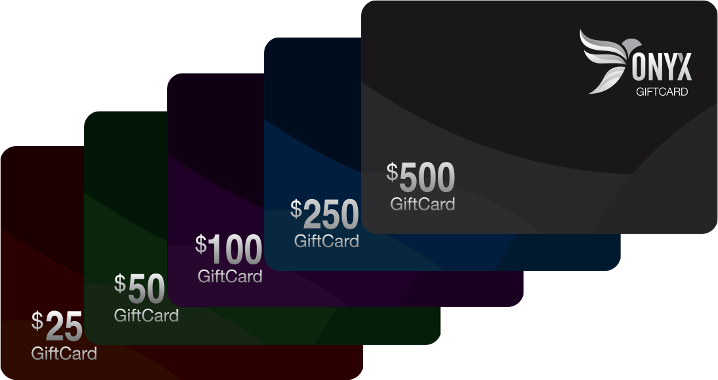
Choose from any of our gift cards to give to your loved ones
CVV Attack Mitigation Best Practices: A Merchant's Buying Guide
Redeem your gift cards at any of our Merchants
You can purchase a gift card from any of these locations

Onyx Gift Cards is a Grenadian company designed to introduce, market and manage gift cards systems in Grenada for retailers and corporations. We are enthusiastic about the effect and influence we will have on the local market. We intend to expand our systems regionally with a range of product offerings and services.
Gift cards are the preferred way of giving and receiving gifts. They carry a monetary value that can be redeemed for gifts at your favorite store.
Onyx GiftCards are “Open Gift Cards” which means that they can be redeemed at multiple merchant locations. They are standard credit card size, can fit into the average wallet and made of PVC plastic. Onyx GiftCards are Barcoded for security and safety for the consumer and bear a disclaimer at the back.
Onyx Giftcards can be bought with a branded Card backer which is black in colour and is designed to fit the card. There is an area to write a brief message to the recipient as well.
CVV attack mitigation stops automated attempts to guess card security codes by combining per-card and per-IP rate limits, bot detection on the payment form, velocity and BIN-attack monitoring, address verification (AVS), 3-D Secure authentication, and strict decline rules that block a card or IP after repeated CVV failures. The objective is to make guessing expensive and slow while keeping legitimate checkouts fast.
A CVV attack is an automated script that submits card numbers with guessed three- or four-digit verification values until one matches. Attackers often pair it with small test purchases to confirm a card works before reselling it or cashing out. Because a correct CVV bypasses many basic fraud screens, the attack targets the one field that is not stored anywhere in the payment chain.
Each failed attempt looks like a normal authorization request, so processors bill for them and fraud teams absorb the noise. Successful tests turn into chargebacks, and card networks place merchants with high fraud ratios into monitoring programs with per-transaction fees. Repeated authorization floods can also degrade gateway performance during peak traffic.
No. CVV values must never be stored after authorization under PCI DSS, so validation happens in the authorization request itself. Tokenization and hosted payment fields keep the code out of your servers entirely, which limits both breach exposure and attack surface.
Rate limiting and bot detection remove the economics of brute force, while AVS, 3-D Secure, and decline rules catch attempts that slip through. Layer them rather than relying on any single control, and review the rules quarterly against actual attack traffic.