
Card Testing Monitoring Procedure: Detect Test Charges Early

Our Cards

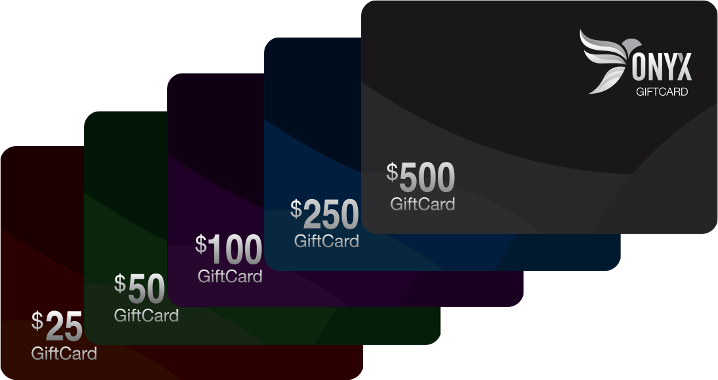
Choose from any of our gift cards to give to your loved ones

card testing monitoring methods
giftcardimage

Where to Use?

Redeem your gift cards at any of our Merchants

Card Testing and Monitoring Methods Guide

Where to Buy?

You can purchase a gift card from any of these locations

related article

ABOUT US

about

What is ONYX GiftCards?

Onyx Gift Cards is a Grenadian company designed to introduce, market and manage gift cards systems in Grenada for retailers and corporations. We are enthusiastic about the effect and influence we will have on the local market. We intend to expand our systems regionally with a range of product offerings and services.

What is a Gift Card?

Gift cards are the preferred way of giving and receiving gifts. They carry a monetary value that can be redeemed for gifts at your favorite store.
Onyx GiftCards are “Open Gift Cards” which means that they can be redeemed at multiple merchant locations. They are standard credit card size, can fit into the average wallet and made of PVC plastic. Onyx GiftCards are Barcoded for security and safety for the consumer and bear a disclaimer at the back.
Onyx Giftcards can be bought with a branded Card backer which is black in colour and is designed to fit the card. There is an area to write a brief message to the recipient as well.

How it Works?

  • Buy an Onyx Gift Card at these local stores
  • Give your gift card to friends, family, co-workers, etc.
  • The recipient can shop at our select merchants nationwide
  • Your friends, family, co-workers, etc. will present their gift card at checkout to pay for your item(s)
  • They will walk away happy with the best gift ever...the gift of Choice

Why ONYX GiftCards?

  • Save TIME. No need to run around looking for the perfect gift
  • Redeem from a variety of business island-wide. We will continue adding businesses as fast as ONYX grows.
  • ONYX Gift Cards do not expire
  • Cards are valued at convinient amounts to meet every need and occasion

A card testing monitoring procedure is a scheduled review of authorization data that flags bursts of small-value declines, repeated attempts against many card numbers from one device or IP, and abnormal decline ratios per BIN. The purpose is to catch test charges within the first few attempts, block the source, and keep stolen-card traffic off your gateway. Run the checks daily at minimum, and hourly during peak sales windows.

Prerequisites

Signals to watch

Daily monitoring procedure

  1. Pull the previous 24 hours of authorization records into your fraud dashboard.
  2. Filter for orders under your low-value threshold and count them per hour.
  3. Group attempts by IP, device fingerprint, and email domain, then rank by distinct card numbers tried.
  4. Compare today's decline rate per BIN against the 30-day baseline.
  5. Flag any source that hit more than five distinct card numbers in one hour.
  6. Check the CVV and address verification response mix on flagged sessions.
  7. Record every flagged source in the case log with a timestamp and the number of attempts.
  8. Push confirmed sources to your blocklist and to the gateway's deny rules.

Set alert thresholds from your baseline

Do not copy thresholds from another merchant. Your normal decline rate depends on product, price point, and customer mix. Start with a threshold at three times the baseline rate for the same hour of day, then tighten it after two weeks of observation.

Respond to a suspected test run

  1. Pause the source by IP, device fingerprint, and email pattern in the rule engine.
  2. Require CVV and address verification on the affected payment page.
  3. Rate-limit checkout attempts per session and add a challenge on the third failure.
  4. Void or refund any captured test charges before settlement.
  5. Notify your acquiring bank if the volume suggests a coordinated run.
  6. Document the timeline, the blocked identifiers, and the dollar value of prevented charges.

Weekly and monthly review

  1. Review blocked-source counts and confirm the rules still fire on new traffic.
  2. Retire rules that produce false positives above an agreed rate.
  3. Recompute baselines and adjust thresholds for seasonality.
  4. Test the alert path end to end with a synthetic low-value order.
  5. Report the trend to the team that owns chargebacks and dispute rates.

Common gaps

Contact Us

Latest

Latest

How to Sell CVV

Learn how to safely sell CVV cards and protect yourself from legal consequences.

Ultimate Guide to Safely Buying CVV

Discover how to safely purchase CVV numbers without risking your financial security. This comprehensive guide provides expert advice and tips for navigating the risks and pitfalls.

Read our complete guide: Should You Buy CVV From a Card Shop? The Honest Buyer's Guide