
Card Testing Log Analysis Process: A Merchant Detection Guide
Analyze authorization logs for card testing: baseline traffic, score velocity, correlate BIN and geography, and trace decline-then-approval probes.
Redeem your gift cards at any of our Merchants

Onyx Gift Cards is a Grenadian company designed to introduce, market and manage gift cards systems in Grenada for retailers and corporations. We are enthusiastic about the effect and influence we will have on the local market. We intend to expand our systems regionally with a range of product offerings and services.
Gift cards are the preferred way of giving and receiving gifts. They carry a monetary value that can be redeemed for gifts at your favorite store.
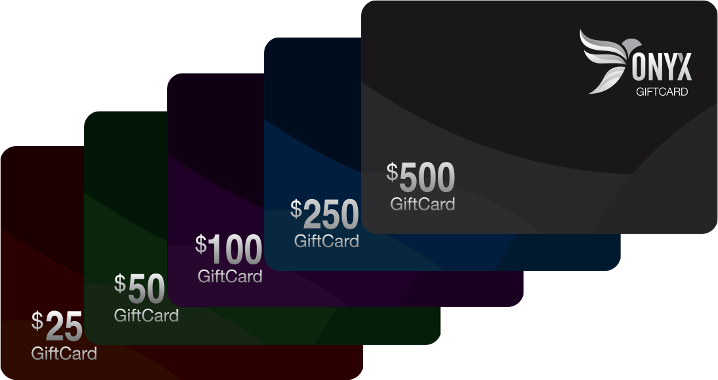
Onyx GiftCards are “Open Gift Cards” which means that they can be redeemed at multiple merchant locations. They are standard credit card size, can fit into the average wallet and made of PVC plastic. Onyx GiftCards are Barcoded for security and safety for the consumer and bear a disclaimer at the back.
Onyx Giftcards can be bought with a branded Card backer which is black in colour and is designed to fit the card. There is an area to write a brief message to the recipient as well.
A card testing log analysis example is a review of payment gateway and web server logs for repeated, low-value authorization attempts that suggest stolen card data is being validated. Fraud teams use this review to detect card testing and stop it before chargebacks and account abuse grow.
Card testing is a fraud scheme, and using payment cards without authorization is illegal. The example below is written for merchants, risk teams, and incident responders who need to read their own logs and protect customers. It does not describe how to test cards.
A useful card testing log analysis example starts with the fields that connect an authorization attempt to a session. Record the timestamp, IP address, autonomous system number, user agent, device fingerprint, account ID, order ID, card BIN and country, authorization amount, and response code. Do not log the full card number or the CVV. Keep sensitive authentication data out of application logs and restrict access to fraud and security staff.
In a sample review, the pattern may look like this:
No single line proves fraud. The example matters because the lines form a cluster across time, device, and payment data.
Compare the cluster with the merchant baseline. Look at authorization velocity per IP, per account, and per device. Check whether decline rates jump above the normal range for the market. Review whether the same email domain, phone pattern, or shipping address appears across accounts. A card testing log analysis example is most useful when it links payment logs to web access logs, because the web layer shows how the attacker reached the checkout page.
Payment card security rules limit storage of sensitive authentication data. A log analysis process should redact card numbers, never store CVV, and apply role-based access. That keeps the fraud review useful without creating a new data exposure.