
Card Testing Rules for Merchants: A Comprehensive Guide
Discover the essential card testing rules merchants must follow to ensure secure transactions.
Redeem your gift cards at any of our Merchants
You can purchase a gift card from any of these locations

Onyx Gift Cards is a Grenadian company designed to introduce, market and manage gift cards systems in Grenada for retailers and corporations. We are enthusiastic about the effect and influence we will have on the local market. We intend to expand our systems regionally with a range of product offerings and services.
Gift cards are the preferred way of giving and receiving gifts. They carry a monetary value that can be redeemed for gifts at your favorite store.
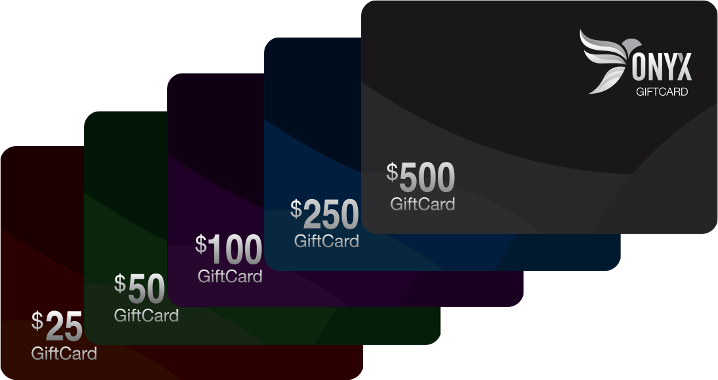
Onyx GiftCards are “Open Gift Cards” which means that they can be redeemed at multiple merchant locations. They are standard credit card size, can fit into the average wallet and made of PVC plastic. Onyx GiftCards are Barcoded for security and safety for the consumer and bear a disclaimer at the back.
Onyx Giftcards can be bought with a branded Card backer which is black in colour and is designed to fit the card. There is an area to write a brief message to the recipient as well.
Card testing guidelines are the rules a merchant writes down to catch one specific pattern: someone pushing a stack of card numbers through a checkout page in a hurry to learn which ones still work. The signal is rarely a big order. It is a flood of tiny ones. When your gateway shows a burst of $0.50 to $3.00 authorizations, a wall of declines from a narrow set of IP addresses, and a conversion rate that falls off a cliff for twenty minutes, you are likely being tested. The guidelines exist so you catch it in minutes rather than at month end when the chargebacks arrive.
I look for shape more than size. A single fraudster working through a purchased list leaves a fingerprint on your logs even when each individual request looks ordinary.
Card testing costs you in three places at once: processing fees on authorizations that never turn into revenue, chargebacks with their associated fees, and monitoring program thresholds set by the card networks. Repeated testing on your account can also get you flagged as high risk by your acquirer, which raises your rates long after the attack ends. A short written policy keeps the response consistent when it happens at 2 a.m. on a Saturday and nobody senior is awake.
Rate limiting belongs at the edge, not just in application code, and it should apply to your payment API endpoints as well as your storefront. Log the full request context for every authorization attempt so you can reconstruct an attack later. Store cardholder data only where PCI DSS requires it, and never in application logs.
Pick numbers you can defend and revisit them monthly. Watch authorization volume against a rolling baseline, not against yesterday. When a burst hits: raise the velocity limits, enable the challenge on the affected endpoints, notify your processor's fraud desk with timestamps and source identifiers, refund or void what you can before settlement, and dispute chargebacks with the logs in hand. Then write down what you missed.
Ask your acquirer which tools they offer for free before you buy a third-party fraud suite. Most gateways include velocity rules and blocklists that cover the common cases. The rest is discipline: a short document, a named owner, and a review after every incident.